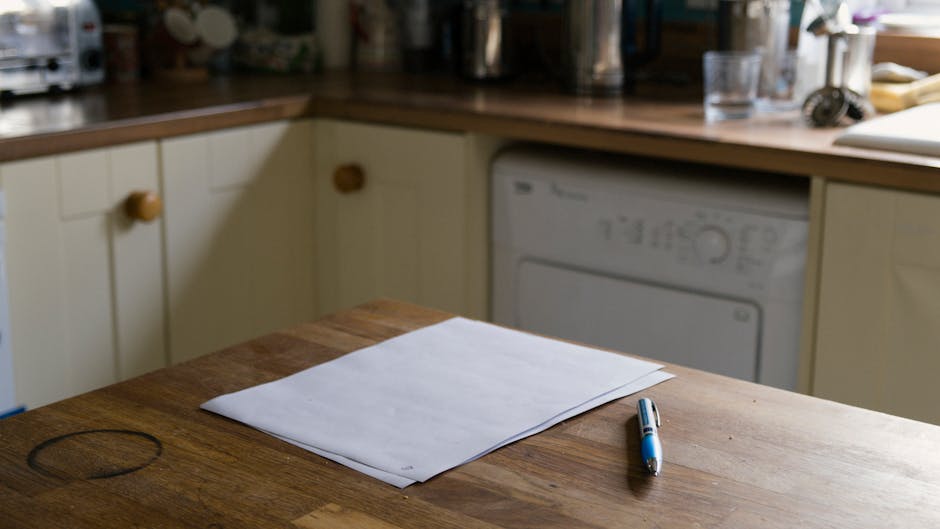
As the clock ticks toward dinner, the shared kitchen counter is a chaotic mix of lunch bags, half-finished homework, and the remnants of breakfast. Shoes are strewn by the door, and the family calendar is pinned to the wall, but it feels like no one is on the same page. Amid the hustle of a busy evening, the surface never stays clear long enough for anyone to find what they need. The permission slip for tomorrow’s school trip remains buried under a pile of mail, a small but telling sign of how easily communication can break down in the rush of family routines.
In this whirlwind, each person juggles their own schedule, yet they all converge in the same space, leading to overlapping tasks and missed connections. A simple act, like placing the lunch items in a designated area on the counter, could streamline the process. Instead, items are left scattered, and important messages slip through the cracks. When the family is trying to coordinate school pickups and evening plans, these small adjustments can mean the difference between a smooth transition and a chaotic scramble.
The Overlapping Routines That Create Chaos
As the clock ticks toward dinner time, the kitchen transforms into a battleground of bags, lunch items, and keys. Each family member enters with a flurry of activity, trying to juggle their own evening tasks while competing for space on the cluttered counter. The family calendar, a constant reminder of overlapping schedules, hangs on the wall, yet its presence feels futile amidst the chaos.
In this shared kitchen, the pressure mounts as one person tries to prepare dinner while another searches for a missing permission slip buried beneath a stack of mail. The frantic search leads to frustration, as the slip is crucial for tomorrow’s school trip. Meanwhile, a third family member rushes to pack their lunch, inadvertently adding to the clutter by leaving their backpack open, spilling snacks across the counter. This sequence of overlapping routines creates a perfect storm for miscommunication.
To mitigate this chaos, a simple adjustment can make a significant difference. Designating a specific spot on the counter for lunch items could streamline the evening routine. For instance, placing a small basket near the edge of the counter allows everyone to quickly drop in their lunch supplies as they come and go. This small act not only clears the workspace but also signals to everyone where to find what they need. By establishing this one shared object in a consistent location, the family can prevent the counter from becoming a friction point, making it easier to navigate their busy schedules.
As the evening progresses, the kitchen remains a hub of activity, but with each small adjustment, the potential for miscommunication diminishes. The goal isn't perfection; it's about creating a more workable environment where overlapping routines can coexist without chaos. The challenge lies in maintaining this system amidst the daily whirlwind, but even a single designated space can be a game changer in a busy household.
A Missed Opportunity During Handoffs
This same friction shows up again in Communication In Families, especially when the day tightens unexpectedly.
As the evening rush began, shoes were strewn haphazardly by the front door instead of neatly placed in the hallway. This seemingly minor choice created a cluttered entryway, leading to confusion about who was leaving when. With backpacks and lunch bags in hand, family members stumbled over the shoes, increasing the chaos as they tried to navigate their way out. The visual clutter not only made it harder to find the right pair of shoes but also created a bottleneck effect, where everyone had to pause and step over each other, disrupting the already tight schedule.
This decision, made under the pressure of a busy evening, felt tempting because it required no extra effort at the moment. However, the impact was significant. The cluttered entryway became a friction point, causing miscommunication about who was picking up the kids from school and when. As the family juggled dinner prep and homework, the confusion about shoes led to missed pickups and overlapping schedules. A simple adjustment, like designating a specific spot for shoes in the hallway, could have streamlined the flow. By placing shoes in a designated area, family members could quickly grab their belongings without tripping over each other, allowing for smoother transitions during those critical handoff moments.
In the midst of the evening's chaos, this small change could have made a big difference. A clear entryway would signal to everyone that it’s time to move, reducing the chances of miscommunication. As the family navigated their busy schedules, keeping the shoes in one place could have created a more functional environment, allowing them to focus on the tasks at hand without the added distraction of clutter.
Checklist for Clear Surfaces and Better Flow
A slightly different version of this problem appears in Managing Shared Spaces, where the sequence changes but the hidden drag feels familiar.
In the shared kitchen, the evening rush often leads to a chaotic counter littered with bags, lunch items, and shoes. When everyone arrives home after school pickups, the clutter can quickly become overwhelming. A few small adjustments can significantly enhance communication and organization, making it easier to navigate busy family routines.
- Designate a specific spot for shoes and bags near the door, ensuring everyone knows where to find their belongings quickly.
- Use a family calendar hung on the fridge to track events, responsibilities, and who is picking up the kids each day.
- Implement a sticky note system on the kitchen counter for quick reminders, like "Permission slip under the mail" or "Pack the soccer gear!" to avoid last-minute scrambles.
Choosing to place shoes and bags in a designated area not only reduces clutter but also streamlines movement during busy evenings. When everyone knows to check the same spot for their items, it minimizes the chances of miscommunication and keeps the flow of the household intact. On a crowded day, this simple system holds up better than a free-for-all approach, allowing family members to focus on tasks like dinner prep and homework without the added stress of searching for misplaced items.
The Outcome of Consistent Choices
With the new routine in place, the kitchen counter has transformed from a cluttered battleground into a clear workspace, allowing family members to transition smoothly between tasks. Each evening, as the dinner prep begins, the familiar sight of a tidy counter sets a calm tone. The family calendar, now prominently displayed on the fridge, serves as a visual reminder of who is responsible for what, further reducing the chaos that once accompanied busy evenings.
As family members find their shoes and bags neatly lined up by the door, they feel a sense of organization that was previously missing. This small adjustment means that instead of scrambling to locate their belongings, they can focus on the next task at hand, whether that’s setting the table or helping with homework. The once-frequent shouts of, "Where's my lunch?" have dwindled to a rare occurrence, replaced by a more harmonious atmosphere.
Better communication has emerged from these consistent choices. When the kitchen counter is clear, it invites conversations during meal prep rather than distractions from clutter. Family members now discuss their day while chopping vegetables or stirring pots, reinforcing connections that might have been lost in the rush. Each night, as they gather around the table, the ease of communication flows naturally, allowing everyone to share their thoughts without the backdrop of disarray.
One grounded carry-forward effect is the family’s newfound ability to tackle unexpected changes. If a school event pops up or someone forgets a permission slip, the family can quickly adjust their plans without the usual panic. The kitchen, once a source of stress, has become a hub of coordination and support, illustrating how small, consistent choices can lead to significant improvements in family communication.
As the evening rush settles in, the shared kitchen counter often becomes a battleground of bags, lunch items, and forgotten permission slips. By simply designating a specific spot for these items—like a small basket near the door—family members can quickly check for essentials before heading out. This minor adjustment not only clears the counter but also ensures that important tasks don’t slip through the cracks during busy mornings.
When everyone knows where to find their shoes and keys, communication improves. Instead of shouting reminders across the kitchen, family members can easily grab what they need and move on with their routines. This small change fosters a smoother transition from home to school or work, reinforcing the idea that even the simplest adjustments can enhance communication in a busy household.
