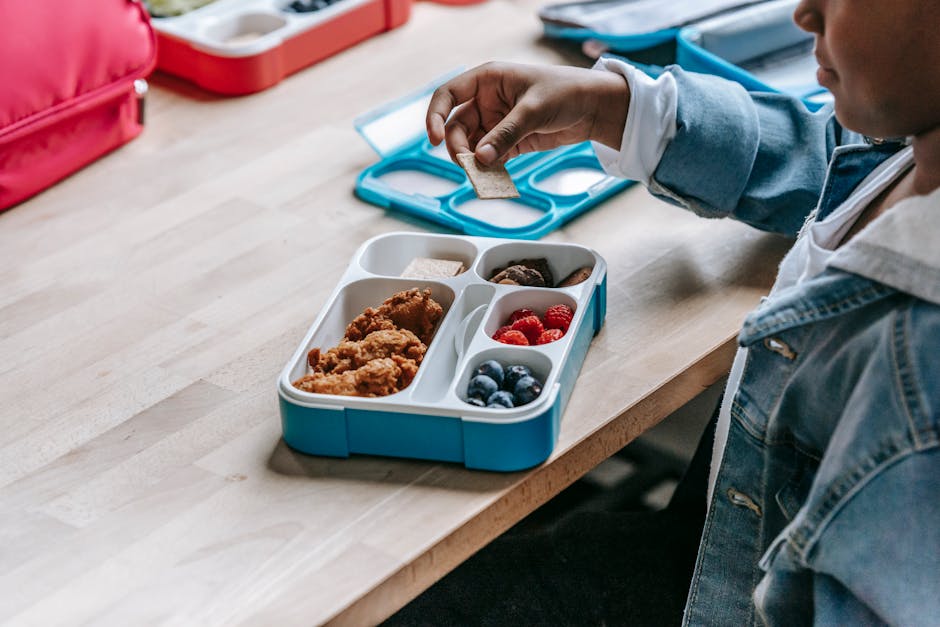
As the clock ticks toward 4 PM on a busy weekday, the kitchen fills with the sounds of bags being tossed onto the counter and lunch boxes being rummaged through. A family calendar hangs on the fridge, its magnets barely holding up the latest notes about school pickup times and after-school activities. Amid the chaos, the shared surface becomes cluttered with keys, snack wrappers, and half-filled water bottles—each item a reminder of the household tasks that slip through the cracks. The water bottle, in particular, is a constant source of frustration; it never seems to get refilled before the next rush out the door.
This evening, as the family prepares for the school pickup, the urgency mounts. Parents shout reminders over the clatter of dishes, but the essential details often get lost in the noise. Someone might forget to check the calendar, leading to a missed pickup time or, worse, a last-minute scramble to find a forgotten lunch item. With backpacks slung over shoulders and shoes hastily laced, the family rushes out, leaving behind a kitchen that still holds the remnants of their hurried routine. The cycle continues, each busy evening reinforcing the small breakdowns in communication that occur when everyone is vying for attention and time.
A Morning in the Kitchen: Overlapping Schedules
The kitchen is a whirlwind of activity as the clock ticks down to school pickup time. Backpacks lean against the counter, lunch bags spill their contents onto the table, and keys jangle as family members rush about. Amidst the chaos, the fridge door swings open and shut, revealing a hastily written note that details the day’s schedule. Yet, even this visible reminder struggles to hold everyone’s attention as the noise of hurried conversations fills the air. One child, searching for their water bottle, interrupts the flow, causing a brief pause in the frantic pace.
As the family attempts to coordinate their schedules, the clutter becomes a barrier to effective communication. Someone grabs the family calendar, flipping through it while another checks their phone for messages about after-school activities. The water bottle, still empty, sits on the counter, a small but telling sign of the household’s disarray. In this busy evening routine, the simple act of writing down the pickup time can easily slip through the cracks. With bags slung over shoulders and shoes barely tied, they scramble out the door, leaving behind a kitchen that still holds the remnants of their rushed preparations. Each evening reinforces the fragile nature of their communication, where small details can easily be overlooked in the rush to leave.
The First Missed Connection: School Pickup Timing
As the clock ticks toward 3:00 PM, the kitchen buzzes with activity. A backpack lies open on the counter, its contents spilling out—a forgotten lunchbox, a crumpled homework sheet, and a water bottle, still empty. Amid the chaos, one family member grabs the family calendar pinned to the fridge, flipping through it while another checks their phone for messages. But in the rush, the crucial detail of confirming the school pickup time slips their minds.
With bags being hastily packed and shoes barely tied, the family is already in a frenzy. Someone shouts, "What time do we need to leave?" but no one can recall. The calendar, which should have served as a quick reference, is overlooked in the clutter of lunch items and school projects. As a result, they miss the window for a timely departure, leading to a scramble as they rush out the door. The clock now reads 3:10 PM, and the realization hits: they’re already late.
This moment of miscommunication, where the simple act of confirming the pickup time was neglected, sets off a chain reaction. The hurried departure means they forget to refill the water bottle, leaving it empty for the next school day. The shared kitchen, once a space for coordination, now feels like a battleground of missed checks and scattered belongings. Each evening, these small oversights accumulate, creating a stressful cycle that makes the next busy morning feel even more daunting.
Why Handoffs Fail: The Mechanism of Overlap
A slightly different version of this problem appears in Communication In Families, where the sequence changes but the hidden drag feels familiar.
As the evening rush unfolds, the shared kitchen becomes a whirlwind of competing priorities. The family calendar hangs on the fridge, but with lunch bags strewn across the counter and backpacks ready to go, it often gets overlooked. In the chaos, someone might say, "Did you write down the pickup time?" but the question gets lost amidst the noise of clattering dishes and hurried conversations.
- The sticky note with the pickup time, meant to be a visual cue, blends into the clutter and is easily ignored.
- Each family member juggles their own tasks—packing lunches, finding shoes, or checking homework—creating gaps where communication should flow.
- A simple tradeoff occurs: the intention to confirm details is sacrificed for the immediate need to leave, leading to a missed connection.
In this busy household, good intentions are often not enough. The water bottle, sitting empty on the counter, is a clear example of how small oversights accumulate. Each evening, the family resolves to be more organized, yet when the clock ticks closer to departure, the urgency of getting out the door takes precedence over confirming essential details. The shared kitchen, intended as a space for collaboration, instead amplifies the disconnect, leaving the family scrambling and the next day’s routine in jeopardy.
A Simple Adjustment: Writing It Down
If this pattern keeps repeating, Managing Shared Spaces extends the idea without leaving the niche.
The fridge often becomes a battleground for family communication, especially during the hectic hours leading up to school pickup. A simple whiteboard or sticky note placed prominently on the fridge can serve as a lifeline for busy households. This designated spot allows family members to jot down important reminders, such as the exact pickup time. When everyone sees the same note, it reduces the chances of miscommunication that can happen in the chaos of a busy evening.
Each day, before the rush begins, family members should take a moment to gather around the fridge and confirm the details for the next day. This small ritual not only reinforces shared accountability but also helps to clear up any confusion. For instance, if one child has an after-school activity, writing it down alongside the pickup time ensures that everyone is on the same page. Without this simple step, the risk of someone forgetting or miscalculating the time increases, leading to frantic last-minute scrambles.
As the evening progresses, the shared kitchen can quickly become cluttered with bags, lunch items, and scattered keys. A small adjustment, like placing the water bottle next to the note, can serve as a visual reminder to refill it before heading out. This way, the family can tackle multiple tasks at once without losing track of essential details. The note on the fridge, while a straightforward solution, can be easily overlooked amidst the chaos, emphasizing the need for a consistent routine to keep communication flowing smoothly.
Carrying Forward: Impact on Evening Routines
With the pickup time clearly noted on the fridge, the evening tasks transform from a chaotic scramble into a more manageable flow. Instead of rushing to gather bags and lunch items while also checking the clock, family members can focus on their individual responsibilities without the looming stress of uncertainty. For example, while one child organizes their homework, another can prepare their lunch without feeling the pressure of a ticking clock.
In this shared kitchen space, the clutter from earlier in the day—scattered lunch containers, unfilled water bottles, and misplaced keys—can be addressed systematically. A quick check of the family calendar allows everyone to ensure that any after-school activities are accounted for, preventing last-minute surprises. This simple act of organizing not only clears the countertops but also fosters a sense of shared responsibility. With the water bottle placed next to the note, it becomes a visual cue to refill it before heading out, integrating this task seamlessly into the routine.
As the evening progresses, the family can tackle their household tasks with less urgency. Whether it’s prepping dinner or setting out clothes for the next day, the clear communication about pickup times allows for a smoother transition into the next morning. The earlier clarity reduces the likelihood of forgetting essential items, like school supplies or lunch, which can lead to frantic searches in the morning. This shift in focus from chaos to coordination highlights how a simple adjustment in communication can ripple through the rest of the day, making evening routines feel less burdensome and more collaborative.
As the evening winds down, the shared kitchen can easily become cluttered with bags, lunch items, and reminders of the day’s chaos. If the family doesn’t take a moment to jot down the school pickup time on the fridge note, it’s likely to slip through the cracks amidst the rush. This simple act of writing it down not only keeps everyone on the same page but also serves as a visual cue that can prevent last-minute panic.
Without this check, it’s all too common for one person to assume another has taken care of it, leading to confusion during the busy morning. To avoid this, make it a habit to place the family calendar next to the fridge note, ensuring that everyone can see the schedule at a glance. This small adjustment can help maintain smoother communication and keep the family routine intact, even on the busiest days.