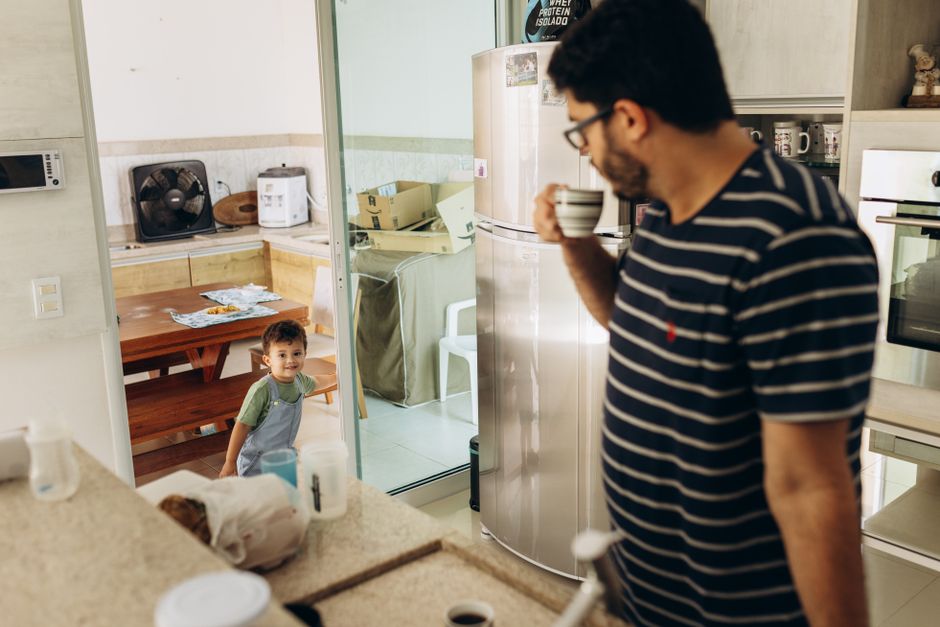
On a busy weekday morning, the kitchen buzzes with the sounds of cereal bowls clinking and the faint hum of the coffee maker. As the clock ticks closer to school pickup time, the family calendar on the wall becomes a silent witness to the chaos. The shared kitchen counter, cluttered with lunch items, school bags, and a stray permission slip that somehow got buried under yesterday's mail, reflects the frantic pace of the morning. Amidst the rush, packing snacks becomes a hurried task, often leading to missed items or forgotten notes. The shared surface never stays clear long enough for anyone to catch their breath, let alone communicate effectively.
As family members dart in and out, the kitchen transforms into a hub of overlapping routines. Keys jingle as one parent grabs them from the hook near the door, while another shuffles through bags to ensure homework is tucked away. The family schedule, pinned to the fridge, often goes unchecked in the midst of this whirlwind. A missed glance at the calendar can mean forgetting a crucial detail, like a school event or a change in pickup times. These small oversights compound, making communication feel like a game of telephone, where messages get lost in the shuffle of everyday tasks.
The Overlapping Routines That Create Chaos
The shared kitchen buzzes with activity as the clock edges toward school pickup time. Lunch boxes spill open on the counter, while a half-packed bag sits precariously near the edge, threatening to topple. A quick glance at the family calendar, pinned haphazardly to the fridge, reveals a scribbled note about a field trip tomorrow—one that could easily be overlooked amidst the morning rush.
As one parent dashes to grab keys from the hook by the door, another hurriedly checks off items on a mental list, trying to remember if the permission slip made it into the bag. The frantic pace of packing snacks often leads to one crucial detail falling through the cracks. With bags jostling for space on the cluttered counter, it’s easy to forget that the lunch items need to be checked off before heading out. This chaotic overlap of routines creates a communication breakdown, where messages slip away unnoticed, leaving family members scrambling to catch up.
What Happens When the Surface Is Cluttered?
This same friction shows up again in Communication In Families, especially when the day tightens unexpectedly.
The shared kitchen countertop often becomes a battleground of busy routines, especially during the early evening rush. As backpacks are unceremoniously dropped, lunch boxes spill open, and keys jingle as they’re tossed onto the cluttered surface, the family calendar pinned to the fridge gets obscured by a pile of mail. This physical clutter can lead to missed messages, such as the crucial note about a school field trip that’s buried beneath yesterday’s takeout menus and unopened bills.
In the chaos, a forgotten permission slip remains hidden, causing confusion at school pickup. As one parent grabs the lunch box, another frantically checks the time, realizing they’re running late. The momentary distraction of searching for the slip leads to a delay in leaving the house, which then snowballs into a rushed drive. This sequence of events highlights how easily communication falters when shared spaces become overwhelmed with everyday items. A simple adjustment, like designating a specific spot for important notes, could prevent such a breakdown, ensuring that everyone is on the same page before heading out the door.
The Mechanism Behind Routine Friction
A slightly different version of this problem appears in Managing Shared Spaces, where the sequence changes but the hidden drag feels familiar.
In a busy household, the shared kitchen countertop often becomes a battleground for clutter, where important notes and reminders get lost in the chaos. For instance, a family calendar pinned to the fridge, meant to keep everyone informed, frequently gets obscured by a pile of mail. This clutter can easily bury crucial details, like the permission slip for a school field trip, which ends up hidden beneath yesterday’s grocery list and unopened bills. When it’s time for school pickup, one parent might be rushing to grab the lunch box while another frantically checks the time, only to realize they’ve overlooked the slip entirely.
As the clock ticks down to pickup, the frantic search for the permission slip becomes a source of stress. The shared kitchen, intended as a hub for family communication, instead amplifies the noise of overlapping schedules. When one parent finally locates the slip, they discover it’s too late to address it, leading to a rushed drive and a scramble at the school gate. A practical check, like designating a specific spot for important notes right next to the school bag hook, could help streamline this process. However, with the surface cluttered, even the best intentions can’t overcome the lack of visibility, resulting in missed tasks and miscommunication during these hectic moments.
A Simple Adjustment to Clear the Clutter
The shared kitchen often becomes a chaotic crossroads during busy weekday mornings, where backpacks and lunch boxes compete for space on the countertop. As one parent rushes to grab the keys, another searches for the permission slip that somehow got buried under yesterday’s mail. This disarray not only complicates the morning routine but also heightens the risk of miscommunication, especially when critical items are overlooked in the frenzy.
To streamline this process, designate a specific area on the kitchen counter or a nearby wall for essential items like permission slips and keys. Use a brightly colored sticky note system on the family calendar to flag urgent tasks or reminders, ensuring they catch the eye amidst the clutter. When packing snacks, check that the permission slip and keys are in their designated spot first before moving on to other tasks. This small sequence change can significantly reduce the chances of forgetting important items, allowing for smoother handoffs and clearer communication as everyone heads out the door.
How the Adjustment Transforms the Next Routine
In the middle of a busy evening, the kitchen counter often becomes a chaotic mix of school bags, lunch items, and scattered papers. By designating a specific spot for essential notes, like a magnetic clip on the fridge for permission slips, family members can easily spot what they need before heading out the door. This small adjustment allows everyone to quickly check off what’s required for the next day, reducing the chances of overlooking important tasks.
When the family calendar is updated with bright sticky notes marking upcoming events, the school pickup routine shifts from a frantic dash to a more organized flow. Each family member can glance at the calendar while grabbing their bags, ensuring that they’re aware of any changes or reminders. This visibility helps everyone coordinate better, making it easier to share responsibilities without confusion. As a result, the handoff at the door transforms from a scramble to a brief moment of connection, where parents can ask about the day ahead while kids grab their snacks.
By implementing these simple changes, the household system becomes more efficient. The school pickup not only becomes less stressful but also opens up opportunities for more meaningful interactions. Instead of rushing through the evening routine, there’s now a moment to pause and communicate, allowing for a smoother transition into the next part of the day.
As the evening rush settles in, the shared kitchen often becomes a chaotic hub where communication can falter. When the school pickup routine is disrupted, small items like permission slips can easily get lost under the mail pile, leading to missed deadlines and frustrated parents. A quick glance at the family calendar, posted near the school bag hook, could prevent this. If everyone takes a moment to check it before heading out, they can avoid the scramble of forgotten tasks.
Creating a visible reminder system, like a shared note on the fridge, can also help keep everyone aligned. Whether it’s a list of who’s responsible for dinner or a reminder about a school event, these small checks can make a significant difference. By prioritizing these simple adjustments, families can reduce friction during busy times, ensuring that communication flows more smoothly, even amidst the chaos of a busy evening.
