On a busy weekday morning, the kitchen counter is cluttered with lunch items, water bottles, and school bags, each vying for space as the clock ticks closer to pickup time. Amid the chaos, a forgotten water bottle sits empty, a small but telling detail of how easily family routines can unravel. As one parent rushes to grab the car keys, the other juggles breakfast while trying to remember if they wrote down the school pickup time. The shared kitchen becomes a battleground of overlapping schedules, where communication often falters under the weight of urgency.
In this whirlwind, a simple task like refilling the water bottle can slip through the cracks, leading to frustration later in the day. Each family member is focused on their own responsibilities, but without a quick check of the shared calendar or a glance at the counter to ensure everything is in place, the morning handoff can break down. The scattered items across rooms signal a missed opportunity for coordination, highlighting how easily communication can become strained when everyone is pulled in different directions.
The Overlapping Routines That Create Pressure
On a busy weekday morning, the shared kitchen becomes a whirlwind of activity as family members race against the clock. One parent is scrambling to pack lunch items while another is trying to locate the car keys, all while keeping an eye on the family calendar pinned to the fridge. This chaotic environment leads to quick decisions that often overlook essential details, such as whether the kids’ backpacks are ready by the door or if the water bottle has been refilled.
The pressure mounts as items meant for school pickup scatter across various rooms, creating a frustrating scavenger hunt. A lunchbox sits on the counter, but the matching water bottle is nowhere to be found. Without a quick check of the designated spot for pickup items, the family risks leaving in a rush without crucial supplies. Establishing a routine where everyone places their items in the same location—like a specific corner of the kitchen counter—could alleviate some of this tension. Instead, the morning handoff devolves into a frantic search, where a simple act of placing and checking becomes a missed opportunity for smoother communication.
The Decision That Sets the Tone for the Day
This same friction shows up again in Communication In Families, especially when the day tightens unexpectedly.
As the morning sun streams through the kitchen window, the shared counter is a chaotic mix of lunch boxes, half-filled water bottles, and scattered school papers. Amid the rush, a parent stands with a coffee cup in one hand and a backpack in the other, glancing at the family calendar pinned to the wall. The calendar is a jumble of colors and notes, but the crucial pickup time for school is glaringly absent. In the frenzy of getting everyone out the door, the temptation to skip writing it down feels like a time-saver, but it risks unraveling the entire morning.
With a quick glance at the clock, the decision to forgo the calendar check becomes apparent. The kids are already tugging at their shoes, and the last thing anyone wants is a late arrival. However, as the parent grabs the last lunch item—a banana—off the counter, they realize the water bottle is still empty, sitting forlornly in the fridge. This small oversight, stemming from the rushed choice to skip the calendar, leads to a frantic search for a refill before heading out. The scattered items across the kitchen become a visual reminder of what happens when communication falters in busy moments. Establishing a habit of writing down the pickup time, even if it feels like one more task, could prevent the morning chaos from spiraling into a last-minute scramble. The Cost of Overlooking Communication On a busy weekday morning, the shared kitchen counter becomes a chaotic landscape of scattered backpacks, lunch boxes, and half-eaten breakfast plates. As the clock ticks closer to the school pickup time, family members rush to grab their belongings. The parent notices the keys are missing, buried under a pile of notebooks and a forgotten water bottle, which remains empty in the fridge. This moment of disorganization sets off a frantic search, with everyone diving into drawers and under the table, creating a ripple effect of stress.
In the midst of this chaos, one child realizes they left their lunch on the counter, a forgotten sandwich now a symbol of the morning's disarray. The parent, already juggling bags and searching for the elusive keys, quickly decides to forgo refilling the water bottle, thinking it can wait until after school. However, this small choice leads to a bigger issue: the child will be thirsty and distracted during class, impacting their focus. The hurried decision to skip the water refill, combined with the last-minute scramble for keys, illustrates how easily communication can break down when family routines overlap.
Ultimately, the cost of overlooking simple tasks like writing down the pickup time or ensuring the water bottle is filled shows up later in the day. The parent finds themselves having to make a special trip to the school to deliver the forgotten lunch, adding extra time and stress to an already packed schedule. This sequence of events highlights how a single missed communication can spiral into a series of complications, reinforcing the need for clear routines in busy households.
A Simple Change to Improve Coordination
A slightly different version of this problem appears in Managing Shared Spaces, where the sequence changes but the hidden drag feels familiar.
In the chaos of a busy weekday morning, the kitchen counter often becomes a dumping ground for backpacks, lunch items, and keys. This clutter can lead to missed items and forgotten tasks. Establishing a designated spot on the counter for shared items—like water bottles, school forms, and lunch bags—creates a visual cue that helps everyone stay on track. When everything has a specific place, it’s easier to grab what’s needed without searching through scattered belongings.
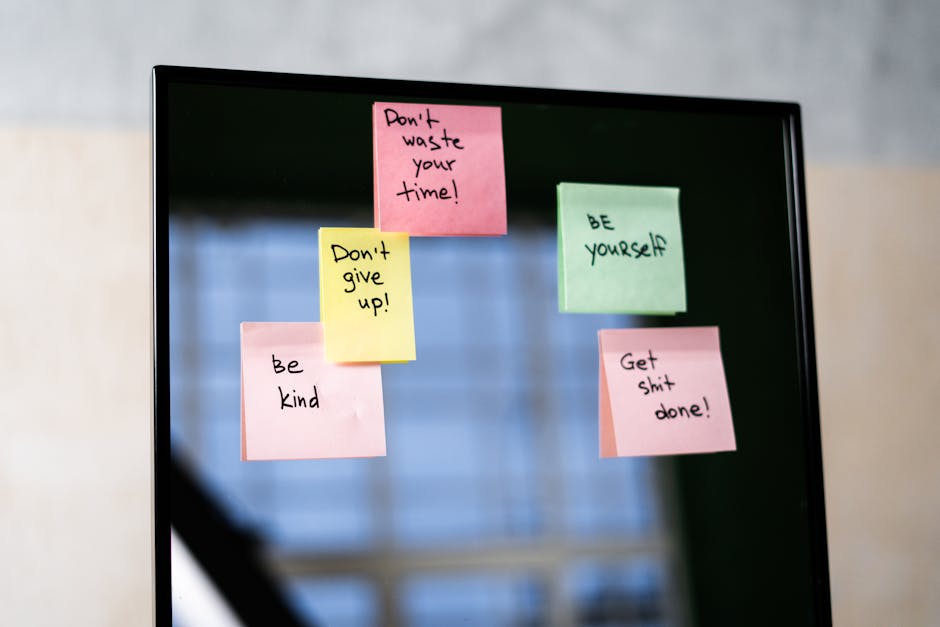
- Place sticky notes on the counter with reminders for tasks like refilling the water bottle or checking the family calendar.
- Make it a routine to check the family calendar together each morning, ensuring everyone knows what’s on the agenda.
- Consider using a shared digital calendar that sends reminders to family phones, keeping everyone in sync.
By implementing these small adjustments, the likelihood of forgetting essential items decreases significantly. For instance, if the water bottle is always in the same spot, it’s less likely to be overlooked. This simple routine change not only streamlines the morning rush but also reinforces communication among family members. Each morning, take a moment to confirm pickup times and responsibilities, ensuring that nothing slips through the cracks during those hectic hours.
The Outcome of Consistent Communication Practices
On a busy weekday morning, the shared kitchen counter often becomes a battlefield of bags, lunch items, and forgotten tasks. When family members consistently check the family calendar together, it sets a tone of shared responsibility. This practice not only reduces the chaos of last-minute searches but also fosters a sense of connection among everyone involved.
As the clock ticks closer to school pickup time, the harmony of the household hinges on these small rituals. When everyone knows their roles—who’s responsible for which bag or item—it becomes easier to gather the necessary things without scrambling. For example, if the water bottle is always placed next to the lunch bags, it’s less likely to be forgotten. This simple adjustment prevents the frantic dash back into the house for a missing item, smoothing out the morning routine.
Moreover, the act of writing down pickup times on a sticky note and placing it on the counter solidifies the plan. Each family member can glance at it while grabbing their belongings, ensuring nothing slips through the cracks. This shared accountability not only enhances communication but also creates a more cohesive family dynamic during those rushed moments. By reinforcing these practices, the household experiences less chaos and more connection, making busy evenings feel manageable.
As the evening rush unfolds, the kitchen counter often becomes a battleground of scattered items—lunch bags, keys, and the ever-elusive water bottle. When the family calendar hangs on the wall, it serves as a visual reminder for everyone to check in before heading out. A simple glance can reinforce who needs to grab what, but if the water bottle isn’t consistently placed next to the lunch bags, it’s easy for it to be overlooked. This small oversight can lead to a chaotic scramble, disrupting the flow of the evening.
To prevent this, establish a designated spot for all school pickup items. A specific basket or corner of the counter can serve as the go-to location for everything needed for the next day. By placing the water bottle there each night, it becomes part of the routine, reducing the chances of it being forgotten. Next time you’re in the kitchen, take a moment to check that spot—ensuring that all essential items are ready to go can make those busy evenings feel a bit less hectic.