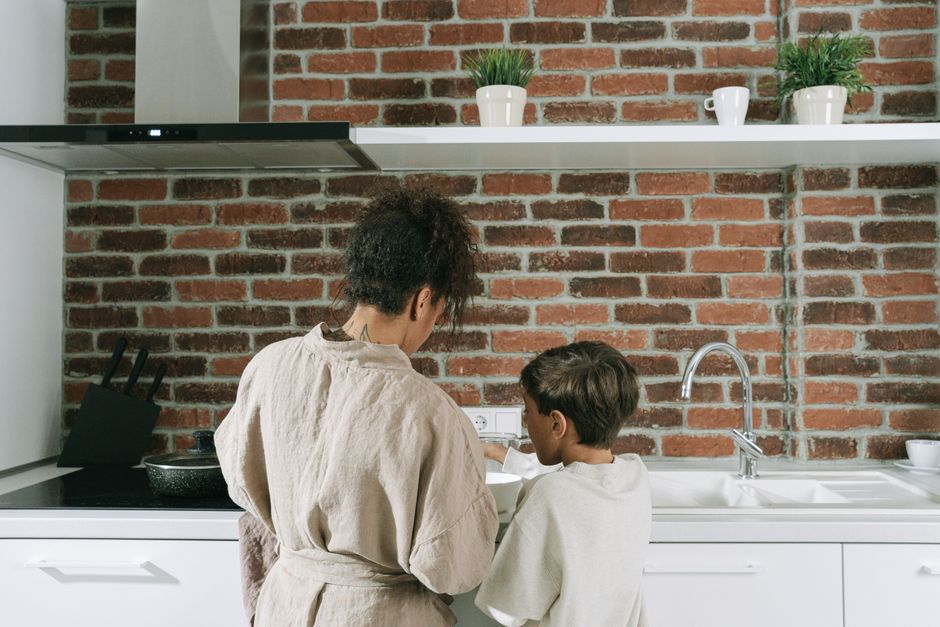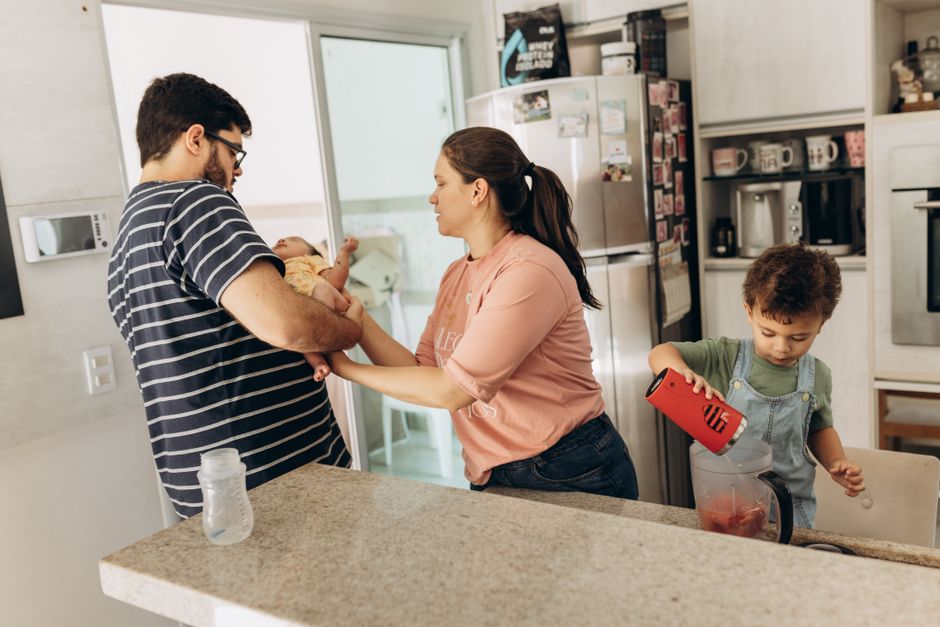
As the clock ticks toward school pickup time, the shared kitchen buzzes with the sound of hurried footsteps. A caregiver stands by the school bag hook, glancing at the family calendar plastered with overlapping schedules. Shoes are strewn haphazardly near the door, a clear sign that the morning routine has already slipped. The water bottle, a crucial item for the day, remains unfilled on the counter, forgotten in the rush to pack lunches and gather keys. This small oversight can ripple through the evening, leading to a cascade of miscommunication as family members scramble to adjust plans.
In this busy household, the friction often surfaces when the bag check gets postponed, leaving essential items unprepared. With the shared kitchen serving as a central hub, the caregiver realizes that a simple adjustment—placing shoes by the door and ensuring the water bottle is filled—could streamline the chaotic handoff. Yet, in the flurry of tasks, these details often get lost, leading to a breakdown in communication just when it’s needed most. The challenge lies in recognizing these missed steps and their impact on family dynamics as the day unfolds.
The First Step That Gets Skipped
In the shared kitchen, the clock ticks closer to school pickup time, and the atmosphere thickens with urgency. The caregiver stands by the counter, juggling lunch items while glancing at the family calendar pinned to the wall. Each child’s after-school activity is noted in bright colors, but in the rush, the caregiver realizes that the water bottle, a staple for the evening sports practice, remains empty on the counter. This small detail, often overlooked, can set off a chain reaction of miscommunication.
As the caregiver grabs the lunch bags from the hook, a quick check reveals that shoes are still scattered by the door instead of neatly placed for easy access. The caregiver knows that if the shoes aren’t ready, it will delay the entire family’s exit. Instead of refilling the water bottle first, the caregiver rushes to pack the last-minute snacks, leaving the essential task of filling the bottle for later. This decision creates friction; when the family is finally ready to leave, they discover the water bottle is still dry, leading to a scramble for alternatives and a hurried discussion about who can grab it on the way out.
In this chaotic evening setup, the caregiver learns that prioritizing the water bottle refill and placing shoes by the door could significantly ease the transition from home to school pickup and beyond. Each small action, like ensuring the water bottle is filled first, can prevent miscommunication and keep the family on track during busy days.
When the Bag Check Gets Postponed
In the shared kitchen, the clock ticks toward the evening school pickup, and the caregiver stands at the counter, juggling the last-minute packing of lunch items. The family calendar hangs on the wall, a colorful reminder of the day’s events, but the bags remain unchecked. As the caregiver rushes to pack a snack for one child, the other child, already in their shoes, suddenly remembers their water bottle is empty. This moment of realization triggers a flurry of activity.
Instead of having checked the bags earlier, the caregiver now finds themselves scrambling to refill the water bottle. They rush to the fridge, only to find that they’ve also forgotten to restock the water pitcher. This oversight leads to a last-minute debate over who can grab a bottle from the pantry while the other child waits impatiently by the door. The shared kitchen, once a space of organization, now feels chaotic as the caregiver realizes that a simple bag check could have prevented this last-minute chaos.
In this busy evening setup, the caregiver reflects on the importance of prioritizing the bag check earlier in the routine. If they had placed the bags by the door and ensured the water bottles were filled at the start of the evening, they could have avoided this rushed scramble. Each small action, like checking the bags before the family gathers at the door, can significantly streamline the transition from home to school pickup, keeping communication clear and efficient.
A Better Order for the Same Five Minutes
A slightly different version of this problem appears in Communication In Families, where the sequence changes but the hidden drag feels familiar.
In the rush of a busy weekday evening, the shared kitchen can quickly become a hotspot for miscommunication. As the clock ticks down to school pickup, the caregiver finds themselves juggling dinner prep and last-minute bag checks. Shoes are strewn across the hallway, and the school bags hang neglected on the hook, forgotten in the chaos. A simple adjustment could streamline this hectic routine.
Setting a designated spot for shoes and bags right by the door can make a significant difference. Each evening, placing the bags in a specific corner and aligning the shoes neatly beside them creates a visual cue for everyone. When the caregiver glances at the family calendar, they notice a sticky note reminder to check the bags before dinner. This small sequence change—checking the bags while dinner simmers—could prevent the last-minute scramble that often leads to forgotten items like lunch boxes or refilled water bottles.
By prioritizing this small adjustment, the caregiver can transform the exit process into a smoother transition. Instead of racing against the clock, they can ensure that everything is in its rightful place, enhancing communication and reducing stress. The next time they head out, the family can simply grab their bags and shoes, making the handoff to school pickup much more efficient.
What to Check Before the Phone Takes Over
If this pattern keeps repeating, Managing Shared Spaces extends the idea without leaving the niche.
As the clock ticks toward school pickup, the shared kitchen fills with the scent of dinner simmering on the stove. The family calendar, pinned to the fridge, serves as a reminder of the evening’s tight schedule. When bags are checked earlier in the day, it creates a smoother transition. The caregiver can glance at the school bag hook and see that the lunch boxes are packed and the water bottles are filled, avoiding the usual last-minute rush.
By making it a habit to verify the bags right after dinner prep, the caregiver finds that they leave on time for school pickup, rather than scrambling at the last minute. This small adjustment allows them to focus on other evening tasks, such as setting out shoes by the door and ensuring that homework is organized. The hectic energy that often fills the household is replaced with a sense of calm, as the family can now enjoy a few moments together before heading out.
When the caregiver feels less rushed, they can engage more meaningfully with the children, asking about their day while they gather their things. This shift not only enhances family communication but also reinforces the importance of shared responsibilities. By prioritizing these checks, the caregiver can prevent the usual chaos, leading to an evening that feels more manageable and connected.
In the midst of a busy evening, the small act of placing the water bottle back on the school bag hook can make a significant difference. When this simple task is overlooked, it leads to a frantic search right before heading out the door. This minor oversight can derail the entire routine, causing stress and missed opportunities for connection. By making it a point to check the bags and ensure all items are in their designated spots, the caregiver can create a smoother transition from home to school.
Taking a moment to verify that each child’s bag is ready after dinner not only prevents last-minute chaos but also fosters a shared sense of responsibility. As the family gathers in the shared kitchen, this routine check can become a time to engage with one another, discussing the day ahead. With just a few adjustments, communication flows more freely, allowing for moments of connection that often slip away in the rush of a busy household.