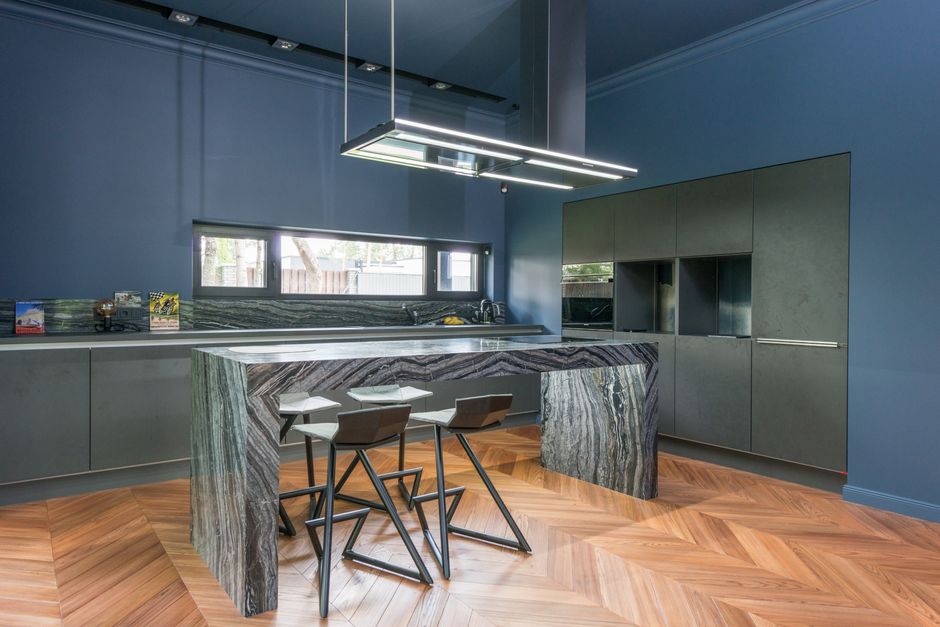
As the clock ticks toward 5 PM on a busy weekday, the kitchen buzzes with activity. A half-finished dinner simmers on the stove while backpacks are tossed onto the hallway bench, their contents spilling out. Amid the chaos, the family calendar hangs on the wall, filled with notes and reminders, yet somehow, the water bottle remains empty, forgotten in the rush. Shoes are scattered near the door, a telltale sign of the hurried morning routines that often bleed into the evening. With school pickup looming and bedtime just around the corner, the pressure mounts to coordinate schedules and tasks, but communication slips through the cracks.
In the flurry of preparing for the next day, a critical handoff check often gets missed. One family member assumes another has packed the lunch items, while the other is preoccupied with ensuring homework is complete. This misalignment leads to a scramble at the last minute, where keys are misplaced, and bags are left behind. The shared kitchen, meant to be a hub of family connection, becomes a battleground of unmet expectations and overlooked responsibilities, setting the stage for a breakdown in the evening routine.
The Morning Handoff That Went Awry
On a busy weekday morning, the shared kitchen buzzes with the sounds of clattering dishes and the hum of the refrigerator. The family calendar hangs on the wall, marked with today’s schedule, but the details seem to blur in the flurry of last-minute preparations. As the clock ticks closer to school pickup time, the pressure mounts. Lunch items are scattered across the counter, each child’s preference jostling for attention. A half-filled lunchbox sits open, waiting for the forgotten water bottle, which remains dry on the shelf, a small but significant oversight.
With shoes piled near the front door, signaling the impending rush, one parent juggles gathering bags while the other checks homework. This is when the crucial handoff check often slips through the cracks. "Did you pack the snacks?" one parent asks, glancing at the clock, realizing they have only ten minutes left. The response is a hurried, "I thought you were doing that!" This miscommunication leads to a frantic search for keys, as both parents scramble to ensure everything is in order for the day ahead.
To avoid this chaos, a simple adjustment could be made: designating a specific spot for the water bottle, alongside the lunchbox, and creating a quick checklist on the kitchen counter. This way, as each item is packed, it can be visibly checked off, ensuring nothing is overlooked in the morning rush. Yet, even with this setup, the reality of a busy household often means that the best-laid plans can still unravel, leaving the family to navigate the consequences of an incomplete handoff just as bedtime approaches.
The Forgotten Water Bottle and Its Ripple Effect
A busy weekday morning in the kitchen often means that the water bottle is the last thing on the counter, overlooked in the rush to gather lunch items and school bags. As the clock ticks toward school pickup, one parent shouts, "Did you get everything ready?" while tossing the lunchbox into a backpack. The water bottle, however, remains untouched, a small but significant detail lost amidst the chaos of packing and checking off the family calendar.
When the child arrives at school without their water bottle, the consequences unfold quickly. They can't hydrate during recess, leading to fatigue and distraction. This small oversight not only affects their day but also sets off a chain reaction for the parent. After school, the parent has to squeeze in a trip to the store to buy a replacement, cutting into the already tight evening schedule. With dinner prep looming and homework waiting, the added errand becomes a source of stress, amplifying the tension in an already busy household.
To mitigate this, establishing a dedicated spot for the water bottle by the door could help. A quick handoff check—"Water bottle?"—before leaving can serve as a reminder. Placing it next to the lunch items ensures it’s not forgotten, creating a smoother transition from morning chaos to evening routines. Yet, in the whirlwind of family life, even this simple adjustment can slip through the cracks, leaving parents to navigate the fallout of one small mistake as bedtime approaches.
What Happens When Schedules Overlap?
A slightly different version of this problem appears in Communication In Families, where the sequence changes but the hidden drag feels familiar.
On a busy weekday morning, the shared kitchen buzzes with activity as everyone prepares for the day ahead. The family calendar hangs on the wall, filled with notes about school pickups and evening commitments. Amidst the chaos, a crucial task slips through the cracks: the water bottle isn’t refilled and left on the counter. As the clock ticks closer to pickup time, the parent grabbing the lunch items fails to notice the empty bottle, thinking it’s already packed. This small oversight creates a ripple effect that disrupts the entire afternoon.
When school pickup time arrives, the parent realizes the mistake too late. The child, thirsty and frustrated, is left without their water bottle, which leads to a meltdown just before they even step into the car. As they drive home, the tension escalates, with the child upset and the parent feeling guilty for the oversight. Dinner plans now feel rushed, and the evening routine becomes a scramble to soothe the child while also preparing a meal. A quick handoff check—"Did we pack the water bottle?"—could have prevented this chaos, but in the rush, it was overlooked. Now, the family faces the challenge of navigating a disrupted schedule, with bedtime looming and tempers flaring as the evening spirals into a race against the clock. A Simple Fix: The Handoff Check In the chaos of a busy weekday morning, the hallway bench often becomes a staging area for backpacks, lunch boxes, and shoes. Amid the rush, it’s easy to forget a crucial item, like a water bottle. A simple handoff check can change that. Just before heading out, take a moment to pause and scan the items lined up on the bench. Ask yourself, "Did we pack everything?" This quick check can prevent the stress of realizing something important is missing just as you’re about to leave.
Implementing this handoff check requires a specific routine. As you gather the bags and keys, make it a habit to physically touch each item that needs to go. For example, place the water bottle right next to the lunch boxes, ensuring it’s visible and easy to grab. This way, it’s not just a mental note; it’s a tangible part of your departure process. You can even set a reminder on your phone for a few minutes before you leave, prompting you to do this check. This small adjustment can help avoid the frustration of a thirsty child in the car.
By making the handoff check a part of your family’s routine, you create a smoother transition from home to school. It’s not just about avoiding meltdowns; it’s about establishing a system that works for everyone. When you know what to look for, you can keep the evening from spiraling out of control, allowing bedtime to happen on time, rather than in a scramble. The hallway bench can then remain a place of order rather than chaos, setting a positive tone for the rest of the day.
The Overlooked Routine That Needs Attention
If this pattern keeps repeating, Managing Shared Spaces extends the idea without leaving the niche.
As the evening rush approaches, the hallway bench often becomes a cluttered battleground. Shoes, bags, and forgotten lunch items pile up, creating a chaotic scene that can lead to missed opportunities for smooth communication. One common oversight is neglecting to set shoes by the door. Instead of a simple grab-and-go, a frantic search for misplaced sneakers can derail the entire school pickup routine.
When family members are busy, it’s easy to overlook tasks like refilling the water bottle. If the water bottle is empty, it becomes a source of frustration during the car ride. To counter this, consider establishing a checklist that includes these small but significant tasks. For instance, before leaving for school, make it a point to check the family calendar hanging on the wall. This calendar serves as a visual reminder of everyone’s commitments and can help avoid last-minute surprises.
Incorporating a quick handoff check can also streamline the process. As you gather bags and keys, take a moment to confirm that each child has their shoes on and that the water bottle is filled. By making this a routine part of your departure sequence, you can reduce the stress of busy evenings and ensure that bedtime doesn’t feel like a scramble. The hallway bench can transform from a source of chaos into a functional space that supports your family’s needs, fostering better communication and cooperation.
As the evening rush begins, the hallway bench often becomes a cluttered catch-all for shoes, bags, and forgotten items. When school pickup overlaps with dinner prep, it’s easy to overlook the small checks that can lead to miscommunication. For instance, if one child is left without their lunch because it wasn’t placed in their bag, that can ripple into a chaotic evening. Make it a habit to perform a quick handoff check right before you leave. Ensure that each child has their shoes on and that their bags are ready to go. This simple act can prevent a last-minute scramble and set a calmer tone for the evening.
Consider placing a reminder note on the kitchen counter to prompt this check. A visible cue can help reinforce the routine, turning what could be a stressful moment into a smooth transition. By keeping the shared spaces organized and ensuring that each family member is prepared, you can significantly reduce the friction points that disrupt communication during busy family routines.
